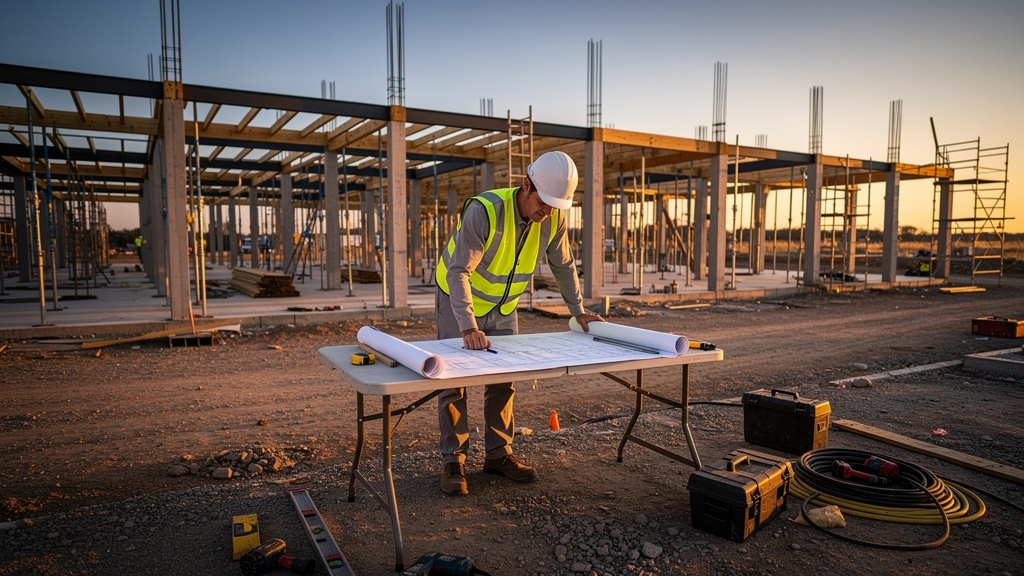
Forget everything you’ve heard about construction project estimation being a straightforward calculation of materials and labor costs. After countless projects, I can say with confidence that most estimation errors stem from overlooking the complex web of variables that shift throughout a job—variables most people assume are fixed from the start. The truth is, solid construction project estimation isn’t just about numbers; it’s about anticipating change, understanding context, and managing expectations before the first nail is driven. When it comes to construction, project estimation, understanding the basics is essential.
Table of Contents
- The Real Backbone of Construction Project Estimation: Experience in the Field
- Why Most Construction Project Estimations Fail—and How to Avoid the Same Pitfalls
- How to Optimize Your Construction Project Estimation Process Today
- How to Avoid Common Pitfalls in Construction Project Estimation
- Why the Standard Advice on Project Estimation Is Usually Wrong
- How Much Does Construction Project Estimation Cost—and When Should I Call the Experts?
- Summary and Clear Next Steps for Your Construction Project Estimation
What most people don’t realize is how often the initial estimate acts as a fragile baseline rather than a firm contract. For example, one common mistake I see is underestimating the ripple effect of small scope changes. A minor design tweak can cascade into adjustments for permits, materials, and labor schedules, each silently eating away at the project budget. The real challenge is knowing when and where these shifts will occur—and building enough wiggle room into the estimate to absorb unexpected costs without derailing the entire budget.
Years of field experience have taught me that accurate building cost estimation depends heavily on digging beneath the surface details to uncover hidden risks and local market realities. This means considering factors like supply chain fluctuations, onsite productivity variations, and regulatory nuances such as how the federal lead-paint safety rules or local building codes affect pricing structures. The ability to spot these influences early isn’t something you’ll find in basic “how to estimate construction costs” guides—it’s the kind of insight that only reveals itself through real-world work. And that difference can mean the gap between a project delivered on time and on budget, or a budget that balloons out of control before the first wall is framed.
How do you secure a reliable construction budget planning process that accounts for all these moving parts? That’s exactly what we’ll explore—and why mastering project estimation is the foundation for construction success.
Accurate construction project estimation requires integrating historical data, risk analysis, and continuous stakeholder collaboration to minimize errors. Evidence shows that adopting systematic estimation methods and leveraging technology significantly improves first-time accuracy, reducing cost overruns and project delays.
The Real Backbone of Construction Project Estimation: Experience in the Field
With years of hands-on involvement in construction projects, I’ve seen firsthand how critical accurate project estimation is—not just for budgeting but for the entire workflow. The process isn’t just about crunching numbers; it’s about understanding the unique patterns and potential surprises each project can throw at you. Too often, I encounter clients who have been burned by vague or overly optimistic estimates that overlooked crucial details.
One particular project stands out: a mid-sized commercial renovation where the initial estimate came in significantly lower than actual costs. The client faced delays and unexpected expenses due to poor initial planning. Using a refined approach to construction cost analysis methods, we broke down every element—from labor and materials to permits and contingencies. This detailed breakdown allowed us to forecast costs more accurately and identify potential problem areas early. The project was completed on time and within the revised budget. That experience reinforced the value of layered, realistic estimation over simple guesswork.
The takeaway? Project cost forecasting in construction demands more than just historical pricing data or software tools. It requires seasoned judgment informed by countless projects’ nuances. Estimating materials for construction isn’t a plug-and-play calculation; it’s an exercise in anticipating variability—like delivery delays, waste percentages, or last-minute design changes—that most beginner guides don’t adequately address.
Why Most Construction Project Estimations Fail—and How to Avoid the Same Pitfalls
The standard advice on project estimation is that you need a ballpark figure early to keep things moving. That’s usually wrong—and here’s why. Most companies tell you to rely heavily on generic estimating templates or software-driven models without enough field validation. They suggest you can nail down costs simply by inputting quantities and unit prices. But I stopped doing it that way after seeing too many projects stall because those numbers had little connection to the realities onsite.
Here’s the thing: the most accurate construction project cost breakdown comes from blending detailed material takeoffs with real-time feedback from crews and suppliers. For example, I’ve learned that material pricing fluctuates more than many expect, especially for bulk items like lumber or steel. Locking in estimates too early without supplier verification often leads to costly overruns. Moreover, labor costs vary widely depending on local labor availability and skill level—factors no static model can fully capture.
Another common mistake is underestimating the impact of site conditions or project complexity. Two projects with seemingly identical blueprints can differ hugely in cost because of soil issues, access challenges, or the sequencing of tasks. This is where most DIY guides fall short—they don’t teach how to integrate risk assessments and contingency buffers effectively.
In practice, I always include a detailed variance analysis that flags areas with a higher likelihood of cost shifts. This approach isn’t about padding the budget blindly but about maximizing accuracy so clients face fewer surprises. It’s an authentic, grounded way to plan that respects the inherent uncertainties of construction work.
How to Optimize Your Construction Project Estimation Process Today
So, how do you get started on building a more reliable, realistic estimate? First, focus on breaking down the project cost into distinct components rather than lumping everything together. For example:
- Materials: Conduct a thorough inventory of all materials needed, including quantities, supplier quotes, and expected waste.
- Labor: Factor in skill levels required, crew size, and productivity rates, based on past project data.
- Equipment and Permits: Don’t overlook fees, rentals, and logistical needs that can add up quickly.
- Contingencies: Build in margins for unforeseen delays, price swings, and on-the-ground complications.
- You’re unsure about local market rates or material availability
- The design or scope isn’t fully defined and likely to change
- There are tight deadlines or constrained budgets with little wiggle room
- You want verified estimates aligned with recognized standards like those from the American Society of Professional Estimators (ASPE)
Next, engage directly with your suppliers and subcontractors early to verify pricing and availability. Waiting until procurement can be too late to adjust your forecast meaningfully.
I also recommend revisiting your estimate at multiple project milestones—not just at the start. Construction is dynamic. As conditions evolve, so should your project cost forecasting in construction. Reevaluating regularly helps catch deviations early and adapt your plan accordingly.
Finally, document everything. Keeping transparent records of your assumptions, changes, and communications builds trust with clients and stakeholders. It also provides valuable insights for future work.
What causes cost overruns more often than any single factor? From my observation, it’s a combination of rushed estimates, inadequate communication with suppliers, and ignoring the variability inherent in materials and labor. Addressing these head-on leads to more successful projects and less stress all around.
Construction project estimation is far from a simple formula. It thrives on detailed cost analysis methods grounded in real-world experience. The best results come from a blend of meticulous preparation, ongoing adjustments, and honest communication. That’s how you maximize accuracy—and avoid the common traps that trip up so many others.
How to Avoid Common Pitfalls in Construction Project Estimation
The definition of construction cost estimation is deceptively simple: it’s the process of predicting the total expenses needed to complete a construction project. But when you dig deeper, it becomes clear that many newcomers and even seasoned pros fall into predictable traps that throw budgets off track. What most people don’t realize is that good estimating isn’t just about gathering prices from suppliers or applying formulas. It requires ongoing vigilance and a nuanced understanding of the project’s unique challenges.
One mistake I see repeatedly is relying too heavily on baseline quotes for materials without accounting for market volatility. For example, steel prices or lumber costs can fluctuate unexpectedly, and failing to build in contingencies for these shifts sets you up for nasty surprises. According to the Construction Management Association of America (CMAA), industry standards require contingency allowances of at least 5-10% of the total material costs to address such variability. Many guides gloss over that or suggest a flat contingency that doesn’t reflect real risk. The truth is, contingency should be dynamic — adjusted based on current market conditions and historical price trends.
Another frequent error is neglecting the indirect costs or soft costs that inevitably arise. These include permits, inspections, temporary facilities, and administrative overhead. I can’t count how many times clients have been blindsided by these “hidden” expenses. A powerful tip: itemize these early and revisit them frequently throughout the planning phase. Treating them as lump sums or afterthoughts is an invitation to budget overruns.
The short answer: developing a tight, realistic estimate demands continuous refinement. You need to revisit assumptions often. That’s why I always recommend a layered estimating approach — starting broad, then progressively drilling down to more granular, verified numbers as the project evolves. This method aligns with the best construction estimating techniques and ensures your budget stays anchored in reality.
Why the Standard Advice on Project Estimation Is Usually Wrong
You’ll see most guides recommend starting with a detailed line-item takeoff, then pricing each component precisely before moving forward. That sounds logical. But I stopped doing it that way after seeing how often it wasted time and introduced false precision. Here’s what I’ve actually found doing this work, day in and day out:
Early-stage projects usually have too many unknowns for exact line-item pricing to be reliable. Spending days perfecting a takeoff before the design and scope are locked down often leads to rework and frustration. Instead, I begin with a rough order of magnitude estimate based on historical data from similar projects and adjust it as real quotes come in.
Most companies tell you that pinpoint accuracy comes from exhaustive detail from the start. The reality is more pragmatic: accuracy improves through iteration, not initial perfection. The standard advice to lean heavily on software-generated takeoffs from blueprints often backfires when drawings change or specifications evolve. What works better is pairing those tools with boots-on-the-ground knowledge and flexible assumptions.
Another misconception is the idea that construction project budgeting tips should always emphasize cutting corners to hit the lowest number. That pressure is misguided and can lead to underestimating vital costs, resulting in expensive change orders later. The crews I’ve worked with see the fallout of underestimated budgets all the time — rushed work, compromised quality, or unpaid subcontractors. A project estimate isn’t just a number; it’s a financial plan that must reflect what it genuinely takes to build right.
How Much Does Construction Project Estimation Cost—and When Should I Call the Experts?
People often wonder about the cost of construction, project estimation services and when it makes sense to bring in specialists. The honest answer is it varies widely based on project complexity, size, and the detail level required. Small residential projects might only need a few hundred dollars spent on a basic estimate, while large commercial or industrial projects could require tens of thousands for comprehensive financial planning and risk analysis.
What most DIY guides won’t tell you is that trying to minimize upfront estimation expenses can cost you far more downstream. Poor or incomplete estimates are the leading cause of budget overruns and schedule delays in construction. That’s why I’ve seen that investing in experienced professionals early often saves money in the long run by identifying issues and cost drivers before breaking ground.
Knowing when to call in experts comes down to risk tolerance and project scale. If your project involves complex site conditions, multiple trades, or phased construction, expert input is crucial. And even for straightforward jobs, having experienced crews review your numbers provides a valuable reality check you can’t get from automated tools alone.
Here are some signs it’s time to call in specialists:
Construction project financial planning isn’t a
People Also Ask
What is project estimation in construction?
How do you create an accurate construction project estimate?
What are the common methods used for construction cost estimation?
Why is contingency important in construction project estimates?
What tools can help improve construction project estimation?
❓ Frequently Asked Questions
Summary and Clear Next Steps for Your Construction Project Estimation
Accurate construction project estimation isn’t just a line item on a budget sheet; it’s the foundation that can make or break the entire undertaking. Our experience on countless jobsites has shown us that overlooking even a small detail during the construction bid estimation process can lead to stunning, unexpected cost overruns or delays. The secret to avoiding these pitfalls lies in a thorough grasp of the project scope and a realistic approach to calculating construction expenses.
Here’s what we consistently observe: many people underestimate how detailed and time-consuming precise project scope estimation is. It’s not just about tallying materials and labor hours—it’s uncovering those hidden complexities that aren’t obvious at first glance, like site conditions, fluctuating material costs, or regulatory requirements that can add layers of work. Most companies might gloss over these aspects, but our technicians have learned to dig deep to identify potential issues before they turn into costly problems.
What causes inaccurate estimates? Often, it’s a rush to provide numbers without a complete picture, or relying on outdated cost data that doesn’t reflect current market conditions. On our projects, we watch carefully for any assumptions made without verification. For example, we’ve seen cases where contractors copied old estimates without adjusting for new codes or supply chain disruptions. That kind of shortcut can derail budgets and timelines fast.
So how to approach your next estimate with confidence? Begin by clearly defining the project scope—list every task, material, and requirement. Then factor in contingencies for the unknowns. A solid estimate doesn’t just present a single number; it outlines the assumptions behind it and identifies areas of risk. That transparency is what earns trust, both from clients and contractors alike.
We also recommend using cost calculators or estimation tools as guides rather than gospel. These can provide a helpful ballpark figure but rarely capture every nuance. Nothing replaces the insight gained from experienced professionals who have seen the range of challenges firsthand and know where most hidden costs hide. For a detailed walkthrough of each step, check out What Are the Steps to Create a Construction Cost Estimate?.
When Is Construction Project Estimation Not the Right Fit?
Honesty demands acknowledging that not every project benefits from exhaustive estimation. For small or straightforward repairs, the time and effort spent on a layered estimating process might outweigh its value. Sometimes, a rough budget alignment with a trusted professional’s intuition and experience is more practical. We’ve had clients who needed quick fixes and didn’t require the precision of a full bid estimation process.
However, for anything beyond basic work, skipping detailed project estimation invites risks that rarely pay off. If you’re embarking on a new build, a major renovation, or anything with multiple subcontractors and moving parts, a careful, methodical approach is essential.
Accountability Without Overpromising
We believe accountability in construction estimation comes from clear documentation, ongoing communication, and willingness to reassess assumptions as the project evolves. Our technicians don’t promise flawless crystal balls—because none exist—but what they commit to is honest evaluation and upfront discussion about known variables and potential unknowns. We’ve seen too many situations where contractors hesitate to admit when something isn’t worth pursuing or when an estimate is based on uncertain factors.
Managing expectations with clients and project teams is crucial. When something doesn’t seem feasible or the cost-benefit analysis points away from a particular option, we say so plainly. That kind of transparency builds trust far more than any “guaranteed” number ever could. For insight into which steps genuinely add value and which are often overstated, see The Real Benefits of Key Steps in Construction Project Estimation — and the Overstated Ones.
What’s the Next Step?
If you’re preparing to estimate your construction project, start by gathering every detail you can about your scope and requirements. Don’t skip the site walk-throughs or consultations with specialists—these are the moments when unexpected factors come to light. If you’re hiring professionals, ask about their process for verifying costs and how they adjust for market fluctuations.
Consider partnering with a team that prioritizes detailed, experience-backed estimation rather than quick quotes. The difference in final outcomes can be remarkable—better budgets, fewer surprises, smoother timelines.
Remember, construction project estimation is as much about preparation as it is about numbers. Taking the time upfront to uncover the real story behind your project’s needs will save headaches and money in the long run. When done right, it turns a complicated mystery into a manageable plan.
If you want to dive deeper into accurate long-term budgeting, exploring strategies and tools that seasoned estimators use is a smart next step: [Mastering Construction Estimation: Strategies for Accurate Long-Term Project Budget Planning](https://blog.freeprojectestimator.com
1 thought on “Get Construction Project Estimation Right the First Time: What the Evidence Actually Shows”