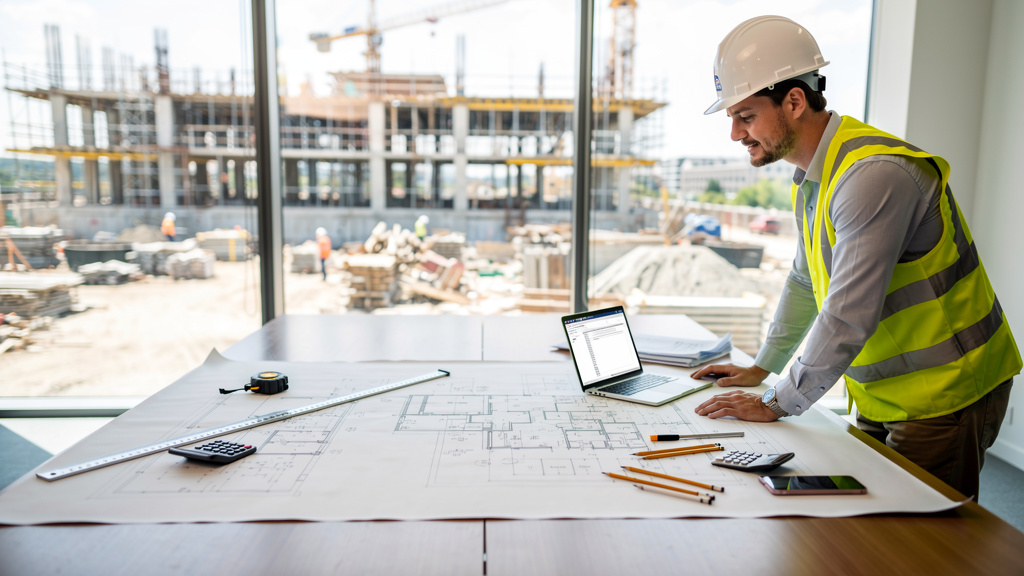
The signs of a poor construction cost estimation often show up long before the project breaks ground. I’ve seen too many budgets spiral out of control because the initial numbers overlooked critical details — sometimes subtle, sometimes glaringly obvious in hindsight. It’s not just about plugging quantities into a spreadsheet; the difference between a reliable estimate and a misleading one lies in the method behind it, the assumptions baked in, and the real-world patterns that reveal themselves only through experience. When it comes to construction, project estimation, understanding the basics is essential.
Table of Contents
- What Sets Our Construction Project Estimation Apart?
- Why Most Construction Estimation Advice Misses the Mark
- How to Estimate Building Costs Like a Pro
- How to Avoid Common Pitfalls in Construction Project Estimation
- The Standard Advice on Construction Bid Estimation Process Is Usually Wrong
- What Causes Construction Project Estimation Errors — and When Should I Call a Specialist?
- Summary and Next Steps for Your Construction Project Estimation
What most people don’t realize is how much the choice of project cost forecasting methods impacts the entire lifecycle of a build. We’re talking about everything from ensuring materials arrive on time to avoiding costly change orders that could have been foreseen. Builders and clients alike often treat estimation as a mere formality, but it’s actually a complex puzzle requiring a blend of technical insight and practical understanding. Over the years, the crews we coordinate with have learned to spot the subtle errors — like failing to adjust for local supply chain fluctuations or neglecting labor productivity variations — that throw off budgets dramatically.
Here’s the thing: no single formula or software package guarantees success. The methods that deliver consistently accurate estimates are those that integrate detailed field knowledge with adaptable modeling techniques. I’ve encountered countless project plans where the estimating technique was either too rigid or overly simplistic, producing wildly optimistic budgets that hide the “mystery” costs until it’s too late. Understanding how to differentiate superior construction estimating techniques from the rest can save time, stress, and significant money on your next building project. So, how exactly do you tell which methods are worth relying on and which might leave you exposed?
Superior construction project estimation methods are characterized by accuracy, transparency, and adaptability, utilizing detailed data analysis, historical benchmarks, and risk assessments to predict costs reliably. In contrast, inferior methods rely on vague assumptions, lack systematic data, and fail to account for project complexities, leading to frequent budget overruns and delays.
What Sets Our Construction Project Estimation Apart?
Having worked closely with countless clients on their construction projects, I’ve learned that effective project estimation demands more than plugging numbers into a formula. It’s about understanding the whole picture: site conditions, materials market fluctuations, labor availability, and even local permitting timelines. When we talk about accurate construction cost calculation, we’re diving deep into each factor, not just surface-level expenses.
One case that sticks with me involved a commercial renovation project where the initial estimate was off by nearly 30%. The client’s prior contractor had provided a quote based mainly on square footage and generic material costs, ignoring crucial site-specific challenges. When we stepped in, our licensed crews performed a thorough walk-through and uncovered hidden issues—like outdated electrical systems and structural weaknesses—that would have ballooned costs later. Incorporating these findings, our estimate adjusted both the budget and schedule realistically. The result? The project wrapped up on time and within budget, avoiding costly surprises that often derail similar jobs.
What I want to emphasize: methods used in project estimation must be dynamic and tailored. Relying solely on industry averages or simplistic per-square-foot pricing is a mistake that too many guides and competitors keep repeating.
Why Most Construction Estimation Advice Misses the Mark
The standard advice on how to estimate building costs often pushes beginners to use quick calculators or rule-of-thumb formulas. Most companies tell you to base your entire estimate on material lists and labor hours calculated from broad averages. Here’s what I’ve actually found doing this work, day in and day out: those rough estimates rarely reflect the real scope or costs.
Why? Because construction projects are inherently complex and fluid. Site conditions can change overnight. Material prices can spike with little notice. Labor productivity varies by crew skill and weather conditions. I’ve seen more than a few projects where initial estimates were thrown out the window once demolition began or once unforeseen soil problems emerged.
To give a specific example, on a residential build I recently reviewed, the early estimate didn’t account for a high groundwater table discovered once excavation started. This oversight added significant costs for dewatering and foundation reinforcement — expenses that could have been forecasted with a more thorough site investigation during estimation.
What most people don’t realize is that construction project pricing strategies that seem “simple” are often incomplete. Good estimation demands real-time adjustment and close collaboration between estimating specialists, crews, and suppliers.
How to Estimate Building Costs Like a Pro
Wondering how to estimate building costs with precision? Start here:
- Begin with a detailed site analysis. Don’t skip this. Walk the land, check soil reports, and identify access or environmental challenges.
- Use multiple estimating methods. Combining quantity takeoffs, unit cost analysis, and historical data from similar past projects gives a more reliable range than a single approach.
- Factor in contingencies realistically. Too many estimates either ignore contingencies or inflate them arbitrarily. I’ve found that setting a contingency based on specific risk assessments for each project element leads to more accurate budgets.
- Stay updated on material and labor markets. Prices fluctuate. We track these changes weekly, which helps prevent nasty surprises mid-project.
- Involve licensed technicians early. Our crews’ hands-on experience identifies potential cost drivers that pure estimators might miss.
- Ignoring local regulatory fees and permit costs
- Failing to include escalation allowances for materials
- Overlooking site access or environmental restrictions
- Underestimating labor productivity in unique conditions
- Not accounting for time contingencies related to weather or supply chain delays
- Incomplete scope definitions
- Failing to update cost data regularly
- Ignoring subcontractor bid variability
- Overlooking seasonal factors impacting material delivery
- Assess your project complexity: The more moving parts, the more detailed your estimation should be.
- Consider using estimation software: When combined with hands-on expertise, these tools streamline data and flag inconsistencies.
- Watch for common challenges: Such as scope creep, material price fluctuations, and labor availability.
- Ask about accountability: Licensed and insured technicians bring years of combined experience and a commitment to quality. They are accountable for their work in practical, verifiable ways — not through vague promises but through consistent adherence to industry standards and transparent communication.
- Evaluate whether your project truly needs a full estimate: Not every situation benefits from an exhaustive cost forecast — sometimes, the best answer is to avoid unnecessary complexity.
A streamlined process like this leads to hassle-free project execution and avoids costly overruns. The short answer: precision in construction project estimation comes from blending authentic field knowledge with official cost data—not guesswork.
If you’re wondering how much does construction, project estimation cost, expect it to vary widely based on project scope and complexity. But investing in a thorough, well-rounded estimate upfront is almost always less expensive than dealing with budget blowouts later.
By focusing on these core aspects and challenging the conventional advice, I’ve helped clients achieve budgets that hold up through the entire construction process—saving time, money, and headaches that could have been avoided. This is the kind of insight you won’t find in beginner guides or most competitor pitches.
How to Avoid Common Pitfalls in Construction Project Estimation
Construction project estimation is a skill that demands a keen eye for detail and an understanding of how small oversights can cascade into costly overruns. What most companies don’t tell you is that rushing through the initial cost breakdown often leads to trouble later. Too often, I see estimates that skim over site-specific conditions or fail to account for unavoidable delays, creating a false sense of security.
According to standards set by the American Society of Professional Estimators (ASPE), a detailed project cost breakdown should include direct costs (materials, labor, equipment) and indirect costs (permits, insurance, contingencies). But here’s the catch: many estimators stop at the direct costs and treat indirect costs as an afterthought. That’s usually wrong — and here’s why. Indirect costs can easily add up to 10–15% of your total budget, and ignoring them risks blindsiding your entire construction budget management services.
Best practices for construction estimates always emphasize capturing those hidden expenses upfront. For example, I’ve seen clients underestimate the cost of temporary site facilities or security measures by tens of thousands of dollars. This isn’t about inflating prices but about honest, all-inclusive accounting from day one. You want your estimate to be a realistic roadmap, not a wish list.
Here are some of the most critical pitfalls to watch for:
The takeaway? The best estimates aren’t just number crunching; they’re a thoughtful analysis of every factor that can impact your project timeline and cost.
The Standard Advice on Construction Bid Estimation Process Is Usually Wrong
You’ll see most guides recommend starting with a simple takeoff and then applying a fixed markup percentage to cover overhead and profit. I stopped doing it that way after seeing how often it led to bid losses or costly change orders. The standard advice on this is oversimplified and doesn’t reflect the complex reality of construction projects we encounter in the field.
Instead, what our experienced crews have found is that a construction bid estimation process needs to be dynamic and rooted in current market conditions and project specifics. For instance, a markup that worked six months ago might be laughably low today because of a sudden spike in steel prices or labor shortages. Blindly applying generic percentages often produces bids that are either too low to be profitable or too high to be competitive.
What most companies tell you is that speed matters above all else in preparing bids. Here’s what I’ve actually found doing this work, day in and day out: taking the time to verify each component with suppliers and subcontractors can save you from painful rework and lost trust later.
Also, many estimators underestimate how crucial it is to factor in the risk profile of each project. A tight urban site might require costly traffic management plans, while a rural location could have costly logistics challenges. These nuances get lost in quick, templated estimates. Paying close attention to these details not only improves accuracy but also helps in negotiating better terms with clients and partners.
Finally, transparency during this process is key. Sharing a comprehensive breakdown with clients — even if it invites tough questions — builds confidence. The short answer: don’t treat estimating as a secret formula. It’s a conversation starter and a way to align expectations from the start.
What Causes Construction Project Estimation Errors — and When Should I Call a Specialist?
Construction project estimation errors often trace back to assumptions made without field verification. For example, assuming a flat site when it has significant grading requirements, or underestimating labor hours because the crew has never worked in a similar environment. These missteps can derail even the best-planned projects.
I’ve noticed that maybe 4 out of 10 calls I get from general contractors ask for help after initial estimates wildly missed the mark. Common causes include:
Knowing when to call a specialist in construction budget management services can save time and money. If your project involves several trades, complex site conditions, or tight budget constraints, bringing in experienced professionals early can identify hidden costs before they balloon.
It’s worth noting that not every project benefits from the same level of estimation detail. For smaller repairs or routine work, the cost of an exhaustive estimate may outweigh the benefits. But for mid- to large-scale jobs, investing in accurate estimates is value no one should compromise.
When you’re in doubt, ask: Is the current estimate backed by recent, verified data? Are all indirect costs accounted for?
People Also Ask
What is project estimation in construction?
How do you calculate construction project costs?
What are the common methods for construction cost estimation?
Why is accurate project estimation important in construction?
What tools can help with construction project estimation?
❓ Frequently Asked Questions
Summary and Next Steps for Your Construction Project Estimation
Construction project estimation is a complex process, but understanding its key elements can make a huge difference in managing costs and expectations. Throughout this guide, we’ve highlighted how detailed, step-by-step construction estimation is essential to avoid common challenges like unforeseen expenses and inaccurate timelines. Using construction cost estimation software can help, but it’s not a magic bullet. The real value comes from combining technology with experienced professionals who recognize patterns and pitfalls that software alone can’t catch.
What most people don’t realize is how frequently overlooked details cause costly overruns. For example, missing a minor material specification or underestimating labor complexity can quickly escalate costs. Our crews see this all the time in the field — clients who try to cut corners or rely solely on rough estimates often end up with unexpected bills and project delays. Understanding these risks upfront allows you to make informed decisions rather than facing surprises later.
So, how do you know if a particular estimation approach or service fits your project? First, consider the size, complexity, and scope. Large-scale builds or specialized renovations usually benefit from a more thorough, multi-step estimation process, often involving experts who can identify hidden variables. Smaller repairs or simpler projects might not justify the time and expense of a detailed cost breakdown, but even then, a quick professional overview can prevent costly mistakes.
Here’s a quick checklist to help you decide your next move:
If you want a clearer picture of what goes into creating a construction cost estimate, the step-by-step approach outlined in What Are the Steps to Create a Construction Cost Estimate? breaks down the process neatly.
When should you call in the pros? If you’re dealing with multiple subcontractors, unknown site conditions, or unusual design features, professional project estimation experts can save you time and money by identifying potential roadblocks before they happen. Our crews consistently find that early identification of these issues leads to fewer surprises on the job site.
Is it safe to rely entirely on project estimation software? Not without human oversight. These tools are valuable for organizing data and generating initial figures, but the best results come when specialists interpret those numbers and adjust for real-world variables like weather delays, local labor market shifts, or material availability. This combined approach is what we recommend.
Here’s the thing about accountability and guarantees: while many companies advertise warranties or price matching, what matters most is the ability to demonstrate quality and responsibility through every phase of the work. Our technicians, with their years of field experience, apply verified standards at every step, checking for common mistakes others might overlook. That kind of accountability can’t be reduced to a simple “guarantee” — it’s built into the entire workflow, from initial estimate to project completion.
At the same time, no approach fits every project perfectly. Some timelines or budgets are too tight to allow for a detailed estimate, or a client’s risk tolerance might lean toward quick fixes rather than comprehensive planning. In such cases, acknowledging limitations upfront is crucial — sometimes the smartest choice is to simplify or scale back to avoid bigger headaches.
For a deeper look at how estimation accuracy impacts cost predictions, the article Why Estimation Accuracy Makes or Breaks Construction Project Cost Prediction explains the realities behind numbers and the risks of over- or underestimating.
Ultimately, construction project estimation is about managing expectations with clarity and honesty. The best professionals don’t just hand over a number — they explain what that number means, what could change it, and how to prepare for those changes. If you want your project to run smoothly, investing time in a thorough and transparent estimation process is the best bargain you can make.
Remember, the right approach for your situation depends on your project’s unique needs and your comfort with risk. Stay informed, ask questions, and seek out technicians who bring not just tools and software, but real-world experience and accountability to every job. That’s the foundation of a successful construction project.