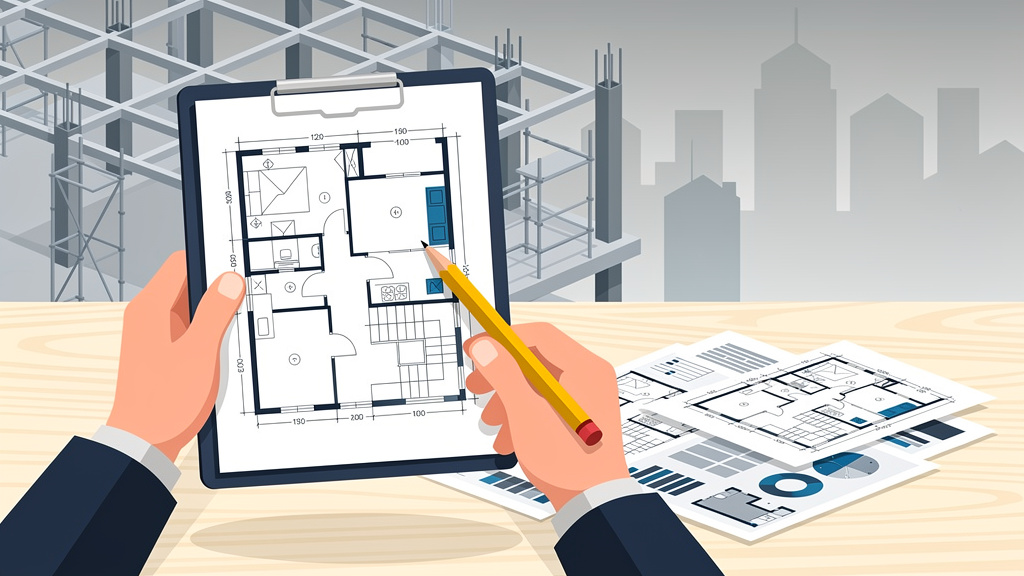
Nailing Accurate Construction Cost Forecasting Before You Break Ground
Construction, project estimation standard advice on budgeting for building projects often falls short — and it has nothing to do with just adding a blanket contingency. Most homeowners and even some contractors miss the real drivers of cost overruns because they don’t understand the layers of detail needed for accurate construction cost forecasting. Local conditions and supply chain quirks shape the numbers more than most people realize.
Construction cost estimation isn’t just about tallying materials and labor at face value. It’s about anticipating hidden variables, understanding local subcontractor pricing trends, and locking down a project budget management plan that stays flexible but firm. If you want to keep your building project cost control tight, you have to dig deeper than the usual rules of thumb.
Accurate construction cost forecasting before breaking ground requires thorough project scope definition, detailed quantity takeoffs, and incorporation of current market rates for materials and labor. Utilizing historical data, advanced estimation software, and regular risk assessments further ensures reliable budget predictions and minimizes cost overruns.
The Part Most Companies Skip: Detailed Construction Cost Analysis Methods
Most companies tell you to prepare a rough estimate based on square footage or use generic multipliers for materials and labor. That approach almost always leads to budget overruns because it misses the granular cost drivers that matter locally. When I started out, I followed that advice. The first handful of projects blew past budget—sometimes by 20% or more—and that’s not just bad luck.
What they don’t tell you is how critical it is to break down the estimate into line-item costs and track each element as a mini-budget within the bigger project budget planning strategies. Take framing, for example. In Phoenix, the price of lumber can swing dramatically with seasonal demand and supply chain hiccups. Without monitoring framing costs separately, you never see the warning signs until it’s too late.
So my approach includes:
- Itemizing labor by specialty and tracking subcontractor bids closely instead of lumping it all under “labor.”
- Pinpointing material costs from local suppliers, including brands like Simpson Strong-Tie for connectors, which cost more here but last longer.
- Factoring in local inspection fees and permit costs upfront, which vary widely by neighborhood.
I give free estimates on everything I do, and I break down all those numbers for a transparent view. If a particular line item seems inflated, I investigate it immediately rather than waiting for the final invoice.
How Phoenix’s Weather and Market Shape Project Budget Management
One thing contractors from out-of-state don’t fully get is how desert climate impacts construction expenses here. Our extreme heat limits when crews can pour concrete or do exterior finishes, often pushing timelines out. That in turn inflates labor costs because workers need more breaks and sometimes overtime shifts. Also, local demand surges during monsoon season can cause supply shortages for materials like drywall and roofing membranes.
This means managing construction expenses effectively in Phoenix requires an active, ongoing construction project cost tracking system that anticipates these seasonal swings. I’ve seen projects stalled for weeks waiting on specialty materials. The best way to avoid that is locking in orders early and adjusting the budget as you go. This kind of effective construction budget monitoring isn’t an add-on — it’s part of every estimate I prepare.
Three Questions You Should Always Ask Before Approving a Construction Budget
Knowing what to ask can save you thousands. When I walk clients through construction, project estimation, I focus on these three key questions that reveal how solid their budget is:
- What contingencies are factored in, and how are they calculated? A 10% contingency isn’t magic. It should reflect risks specific to your project and location.
- How will changes during construction affect the budget? You want a clear method for change orders and how they’ll be priced and approved.
- What construction cost analysis methods back these numbers? Are you seeing an itemized breakdown or just a lump sum? The more detail, the more accurate the forecast.
Why Preventing Budget Overruns in Construction Is About More Than Just Numbers
The short answer: communication and monitoring. I’ve seen building project cost control slip because clients and contractors don’t touch base regularly about expenses as they track against the original budget. Tools matter too — I use simple but effective spreadsheets to update construction project financial management weekly, highlighting any line items trending over budget so we can tackle them early.
Here are some construction budget planning strategies that work for me:
- Establish a baseline budget early, then hold weekly review sessions with your contractor and supplier reps.
- Track invoices as they come in, not at the end of a phase.
- Reserve a small portion (5-7%) of the budget for unexpected expenses that are common in remodeling or site prep.
On top of that, I stand behind my work with a 2-year warranty on labor—that’s not standard in this industry around here—and if anything isn’t right, I come back to fix it. For urgent calls, I’m usually available same-day, and that responsiveness helps keep projects on track financially too.
Signs You Need Construction, Project Estimation: A Diagnostic Checklist
Wondering if your project’s on a solid financial footing? Watch for these warning signs that show you’re overdue for a detailed construction budget review:
- Quotes from subcontractors vary wildly or come in too late.
- Material costs change after you’ve already signed contracts.
- Schedules slip repeatedly without clear budget impact explanations.
- You don’t have an itemized breakdown of expenses.
- Unexpected permit or inspection fees appear mid-project.
If any of those sound familiar, you’ll want to ask yourself: “How do I know if my budgeting process is really capturing the full scope of expenses?” Being proactive with construction project cost tracking and effective construction budget monitoring lets you catch those issues before they become budget busters.
How LiftMaster Openers Teach a Lesson About Overbudgeting
I often see contractors pad budgets by overestimating labor or materials to cover their bases. That’s the opposite of what you want. For example, in garage door projects, I’ve worked with LiftMaster openers extensively. The belt-drive models hold up far better in our dry heat than chain-drive units, but they cost more upfront. Clients who try to cut corners with cheaper parts often end up paying more over time in repairs. Same idea applies with construction estimates: skimping on accuracy or quality in estimating building project costs can backfire.
So how do you avoid this pitfall? Focus on precise construction cost estimation early, backed by local supplier quotes and subcontractor bids, and plan for realistic contingencies. That’s the best way to prevent cost overruns in my experience.
FAQ: How to Prevent Cost Overruns in Construction
What causes most construction budget overruns?
Unanticipated site conditions, last-minute design changes, and inaccurate initial estimates are the biggest culprits. Poor communication and lack of ongoing construction budget monitoring also contribute heavily.
Is it safe to DIY parts of construction cost estimation?
For small projects, you can get a rough idea yourself, but for anything beyond basic repairs, I recommend professional construction, project estimation. This ensures you include all local fees, permits, and labor nuances you might miss otherwise.
When should I update my project budget?
Budget updates should happen weekly during active construction phases. Waiting until the end of a phase or project makes it too late to control costs effectively.
According to USA.gov guidelines, proper remediation requires detailed cost tracking and documentation, which aligns with tight construction project cost tracking methods I use.
1 thought on “Nailing Accurate Construction Cost Forecasting Before You Break Ground”