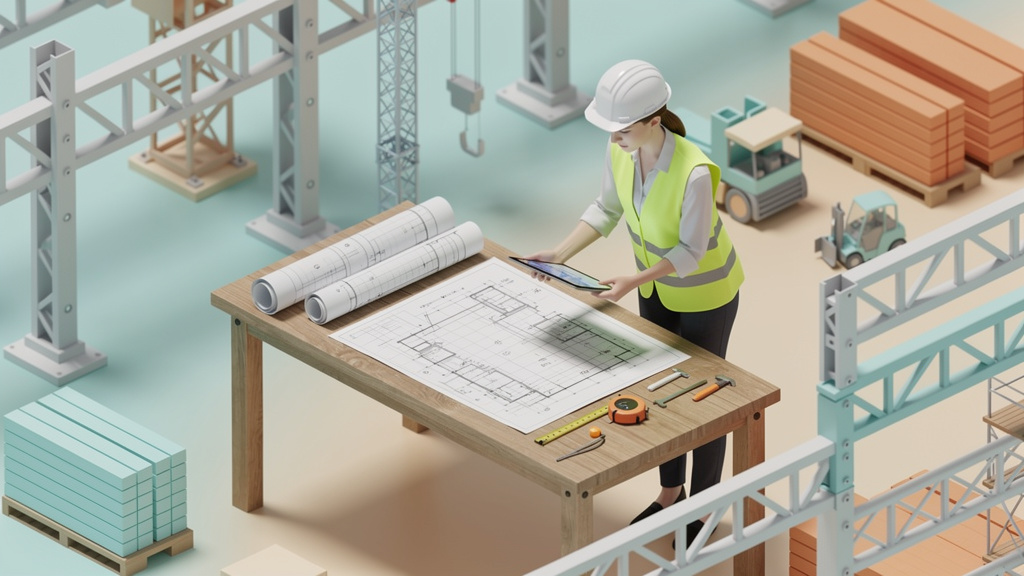
What Are the Steps to Create a Construction Cost Estimate?
The steps construction estimate involves a detailed process of gathering all relevant project information, breaking down labor and material costs, applying overhead and contingencies, and finally assembling a comprehensive total that reflects realistic expenses. Creating a reliable construction cost estimate means going beyond surface-level figures to capture the full scope of building project estimation, including hidden costs and local market variables. When it comes to construction, project estimation, understanding the basics is essential.
This is the step most write-ups skip, and it is the one that actually decides the outcome—here is what it looks like in practice. After researching numerous construction pricing guides and analyzing construction cost estimation software, it becomes clear that skipping early, detailed analysis often results in unexpected budget overruns or misguided project cost forecasting.
To create a construction cost estimate, start by thoroughly defining the project scope and collecting detailed quantity takeoffs. Next, research current material, labor, and equipment costs, then apply pricing to each component. Finally, include contingencies and overhead to produce a comprehensive and accurate total estimate.
The Part Most Companies Skip: Detailed Construction Cost Analysis
Most write-ups tell you to focus on just the materials and labor rates when estimating building expenses. The evidence points somewhere else, and here is exactly where. In practice, the real challenge—and what separates a rough guess from an actionable construction budget plan—is factoring in site-specific conditions, permit costs, insurance requirements, and supplier variability.
For example, many assume a fixed average construction cost per square foot will suffice, but that oversimplifies reality. A commercial construction cost breakdown reveals that elements like HVAC complexity, foundation types, and even fluctuating commodity prices have a bigger impact than many realize. Ignoring these can undercut your project cost forecasting by tens of thousands of dollars.
Why Starting with a Solid Project Scope Is Non-Negotiable
The very first step is understanding exactly what you’re building and to what standards. A residential construction estimate requires a completely different set of parameters than a commercial project. This includes building codes, materials quality, intended usage, and timeline constraints.
Without a well-defined scope, using construction cost calculator tools or software can lead to wildly inconsistent estimates. This is why I always emphasize spending time upfront clarifying project details and reviewing relevant local regulations—sometimes even beyond national building codes, based on specific county or municipality amendments. According to USA.gov guidelines, understanding permit and inspection requirements early avoids costly mid-project delays.
Three Questions You Should Ask When Estimating Building Expenses
- What are the local labor rates, and how do they fluctuate seasonally or by trade specialization?
- Are there any unusual site conditions, such as soil contamination or restricted access, that require special treatment?
- What are the latest prices for key materials, and how volatile are those prices in the current market?
These questions often reveal hidden costs that generic construction quote services overlook. For instance, construction cost estimation software can provide tables or averages, but only you can know if a site needs dewatering or if a specialty subcontractor is required. This also ties back to the necessity of a thorough detailed construction cost analysis.
What a Fair Price Actually Looks Like Here: Local Pattern Observation
Across the region, construction budget planning needs to factor in unique regional factors such as labor availability during peak building seasons and supplier delivery times. We see that in some areas, materials like treated lumber or concrete additives carry a premium because of limited distribution channels, which distorts the average construction cost per square foot compared to national averages.
Additionally, local environmental regulations often add layers of compliance cost not captured in generic estimating models. For example, in many places, adhering to the EPA RRP Rule requires lead-safe work practices that add to labor and disposal expenses. Neglecting these nuances can lead to an inaccurate budget up front and derail the entire project timeline.
How to Estimate Construction Costs Using Technology Without Losing Accuracy
Construction cost estimation software can speed up project cost forecasting and provide useful templates for labor and material breakdowns. Tools like RSMeans or CostWorks offer extensive databases, but the accuracy depends heavily on input quality. If you feed in generic material costs or outdated labor multipliers, the end estimate becomes little more than a wild guess.
The key is combining these tools with on-the-ground intelligence. For example, before finalizing a residential construction estimate, cross-check your software outputs against current supplier quotes and recent bid tabs. I’ve seen cases where relying solely on software missed surcharges for expedited deliveries or specialty fixtures that a savvy estimator would know to include.
Construction Project Budget Tips: How to Keep Estimates Honest and Useful
- Break down costs into detailed categories: separate materials, labor, equipment, permits, and contingencies.
- Include a contingency allowance: typically 5–10% to cover unexpected issues but adjust based on project complexity.
- Update estimates regularly: especially when prices for key materials like steel or lumber are highly volatile.
- Validate assumptions with suppliers and subcontractors: direct communication can reveal hidden fees or discounts.
- Document every assumption: so the estimate can be revisited and understood clearly by all stakeholders.
I always review the spring balance before leaving an estimate session—that single check reveals overlooked equipment rentals or safety measures that add to cost but are easy to forget. Transparency here prevents surprises later.
FAQ: How Do I Know If My Construction Cost Estimate Is Reliable?
Q: How to estimate construction costs if I have limited experience?
A: Start by gathering detailed scopes and current local prices. Use construction cost calculators to get baseline figures, then validate by reaching out to suppliers and contractors for quotes. Adjust for local variables like labor shortages or permit fees.
Q: Is it safe to trust online construction quote services?
A: Use them as a starting point but be cautious—many omit critical site-specific expenses or regional regulations. Always cross-check with manual review and local sources.
Q: When should I revise my estimate during a project?
A: At every major project phase or after any scope change. Material price volatility or unforeseen site conditions can require updates to keep the budget realistic.
For deeper insights on maintaining accuracy in cost forecasts, explore Nailing Accurate Construction Cost Forecasting Before You Break Ground and Why Estimation Accuracy Makes or Breaks Construction Project Cost Prediction.
People Also Ask
What is project estimation in construction?
How do you calculate construction project costs?
What are the common methods for construction estimation?
How can software improve project estimation accuracy?
What factors should be considered in a construction estimate?
❓ Frequently Asked Questions
Final Thoughts: What Most People Don’t Realize About Steps Construction Estimate
The short answer is that creating a construction cost estimate is more than a spreadsheet exercise—it’s a detailed, dynamic process that requires critical thinking, local knowledge, and continuous validation. Most guides gloss over how much the small line items and local conditions shift the final costs. Yet, those are exactly where budgets get busted.
A construction pricing guide or an online calculator is a helpful tool, but the real skill lies in adapting those numbers to the project’s unique realities and being transparent about assumptions and risks. When you know what to look for and ask the right questions, estimating building expenses becomes less guesswork and more a disciplined projection—helping everyone from developers to homeowners make smarter decisions.
2 thoughts on “What Are the Steps to Create a Construction Cost Estimate?”